Why Sleep Matters: How Much Rest Dogs Actually Need
Understanding your dog's sleep patterns is one of the most overlooked aspects of pet care. Just like humans, dogs require adequate rest to maintain physical health, mental sharpness, and emotional stability. If you've ever wondered why your furry friend spends so much time napping, you're not alone. Dog sleep needs vary significantly based on age, breed, activity level, and overall health. This comprehensive guide explores everything you need to know about dog sleep needs, helping you ensure your companion gets the rest they deserve.
How Much Do Dogs Actually Sleep?
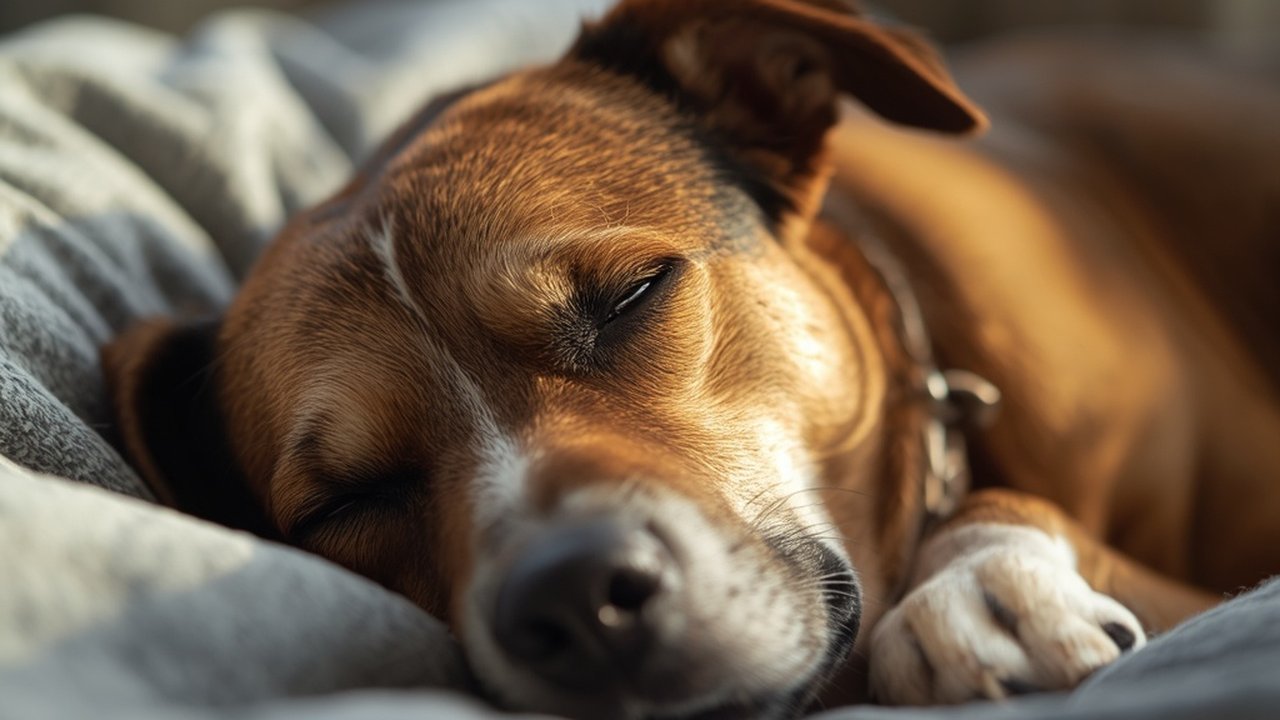
Dogs are champion sleepers compared to humans. On average, adult dogs sleep between 12 to 14 hours per day, though this can vary widely. Some dogs may sleep as little as 10 hours, while others rest for 16 hours or more—and that's completely normal. The difference often comes down to individual metabolism, lifestyle, and genetic factors.
Puppies and senior dogs have even higher sleep requirements. Puppies typically need 15 to 20 hours of sleep daily because they're growing rapidly and learning constantly. Their bodies are working hard to develop muscle, bone, and neurological connections. Senior dogs (typically 7 years and older) also sleep significantly more—often 16 to 18 hours daily—as their bodies require extra recovery time and they have less energy for activities.
Breed size plays a surprising role in dog sleep needs too. Larger breeds, like Great Danes and Saint Bernards, often sleep more than smaller, high-energy breeds. However, individual personality matters more than breed stereotypes. A Border Collie might need less sleep due to high energy levels, while a Basset Hound could sleep nearly all day. Understanding your specific dog's rest schedule helps you recognize when they're getting enough quality sleep.
Why Dogs Need So Much Sleep
The amount of sleep dogs require serves critical biological functions. Unlike humans who sleep in one long consolidated block, dogs are polyphasic sleepers—they break their sleep into multiple short naps and longer rest periods. This sleeping pattern reflects their ancestral roots as wild animals that needed to remain alert to threats.
During sleep, your dog's body goes through essential maintenance processes. Brain development and consolidation of memories happen during rest, which is why puppies sleep so much—they're learning at an incredible pace. Sleep also supports immune function, helping your dog fight off illness and maintain overall wellness. Growth hormone is released primarily during sleep, which is especially important for young dogs developing into their adult size.
Mental health is another crucial reason why adequate rest matters. Dogs that don't get enough sleep become irritable, anxious, and less responsive to training. They may develop behavioral problems like excessive barking, chewing, or aggression. Quality sleep helps regulate emotional responses and supports healthy brain chemistry, much like it does for humans.
Additionally, sleep gives your dog's muscles time to recover from physical activity and repair any micro-damage from play, exercise, or training. This recovery period is when the body becomes stronger and more resilient. Without adequate rest, your dog might experience chronic fatigue, increased injury risk, and reduced performance during activities they normally enjoy.
Factors That Affect Your Dog's Sleep Duration
Every dog is unique, and several factors influence how much rest your individual companion needs. Age is the most significant factor—as mentioned, puppies and seniors require substantially more sleep than middle-aged dogs. Environmental factors also play a role: a dog living in a busy, noisy household might sleep less than one in a quiet environment because they're reacting to stimuli.
Activity level directly impacts sleep needs. A working dog like a herding dog, service dog, or agility competitor may actually need more sleep than a sedentary dog because they expend more physical and mental energy. Conversely, some high-energy breeds are conditioned to function on slightly less sleep due to their genetics.
Health conditions can significantly alter sleep patterns. Dogs with pain from arthritis, digestive issues, or anxiety may sleep poorly or excessively. Weight also matters—overweight dogs often sleep more because moving requires more effort, leading them to rest more frequently. Temperature and season affect sleep too; dogs may sleep more during cold winters and less during active, warm summers.
Diet and feeding schedules influence sleep quality. A dog fed closer to bedtime might have restless sleep due to digestion, while a dog with nutritional deficiencies might sleep excessively due to fatigue. Stress and changes in routine can temporarily disrupt normal sleep patterns as your dog adjusts to new circumstances.
Creating the Perfect Sleep Environment
Optimizing your dog's rest schedule and sleep quality requires attention to their physical environment. Provide a comfortable, designated sleeping area—a quality dog bed, crate, or specific room where your dog feels safe and secure. The sleeping space should be quiet and away from high-traffic areas where family members might inadvertently disturb them.
Temperature matters significantly. Dogs sleep better in cool environments, typically between 60-70°F (15-21°C). Too much heat or cold disrupts sleep quality and can lead to restlessness. Make sure the sleeping area is well-ventilated and away from direct sunlight if possible.
Consistency is crucial for healthy sleep habits. Establish a regular bedtime routine and stick to it. Dogs thrive on predictability, and a consistent schedule helps regulate their internal clock. Take your dog outside for a bathroom break before sleep, perhaps with a short evening walk to encourage physical tiredness.
Reduce stimulation before bedtime—avoid rough play, intense training, or exciting activities in the hour before sleep. Instead, engage in calming activities like gentle petting, quiet time together, or puzzle toys that promote relaxation. Some dogs benefit from white noise or calming music designed specifically for dogs.
Limit access to stimulating areas during sleep times. If your dog sleeps in a room with windows overlooking a busy street, they'll be more likely to wake up and react to outside activity. Dark, quiet spaces promote deeper, more restorative sleep.
Recognizing Sleep Problems in Dogs
While understanding normal dog sleep needs is important, you should also recognize signs of sleep disorders or health issues. If your dog suddenly changes their sleep pattern—sleeping significantly more or less than usual—this warrants a veterinary consultation. Changes in sleep habits can indicate pain, anxiety, cognitive dysfunction, or illness.
Signs of poor sleep quality include excessive yawning, lack of alertness during the day, behavioral changes, or difficulty concentrating on training. Some dogs develop insomnia-like symptoms due to anxiety or medical conditions. Others may seem to sleep too much, which could indicate depression, illness, or thyroid problems.
If your dog snores heavily, gasps for breath during sleep, or appears to choke, they may have sleep apnea, particularly common in brachycephalic (flat-faced) breeds. Restlessness, frequent waking, or inability to settle could indicate discomfort from arthritis, allergies, or digestive issues. Any significant change in your dog's sleep pattern deserves professional evaluation from your veterinarian.
Conclusion
Understanding your dog's sleep needs is fundamental to responsible pet ownership. Dogs require 12 to 14 hours of sleep daily on average, with puppies and senior dogs needing even more. This isn't laziness—it's a biological necessity that supports growth, immune function, emotional regulation, and overall health. By recognizing factors that influence your dog's rest schedule, creating an optimal sleep environment, and monitoring for changes in sleep patterns, you ensure your beloved companion gets the quality rest they need to thrive. When your dog sleeps well, they play better, learn faster, and enjoy a happier, healthier life alongside you.
FAQ
How much do dogs sleep compared to humans?
Dogs sleep 12-14 hours daily on average, roughly twice as much as humans. This is normal and healthy. Puppies sleep 15-20 hours, while senior dogs sleep 16-18 hours. Dogs use polyphasic sleep patterns with multiple naps rather than one long consolidated sleep like humans.
Is it normal for my dog to sleep 16 hours a day?
Yes, sleeping 16 hours daily is normal and healthy for many dogs, especially seniors, large breeds, and puppies. However, if your dog suddenly increases sleep duration without lifestyle changes, consult your veterinarian to rule out health issues like thyroid problems or depression.
Why do puppies need so much sleep?
Puppies need 15-20 hours of sleep daily because their bodies are growing rapidly and their brains are developing at an incredible rate. Sleep is when growth hormones are released and memories are consolidated, making it essential for healthy development.
How can I improve my dog’s sleep quality?
Create a comfortable, quiet, cool sleeping space (60-70°F), establish a consistent bedtime routine, limit stimulation before sleep, and ensure regular exercise during the day. Reduce noise and light, and avoid feeding close to bedtime for better sleep quality.
What’s a normal dog rest schedule?
Dogs don’t follow a strict schedule—they sleep in multiple short naps throughout the day and longer rest periods at night. A typical dog rest schedule includes 2-3 hour stretches of sleep scattered across 24 hours, with more consolidated sleep at night alongside their humans.