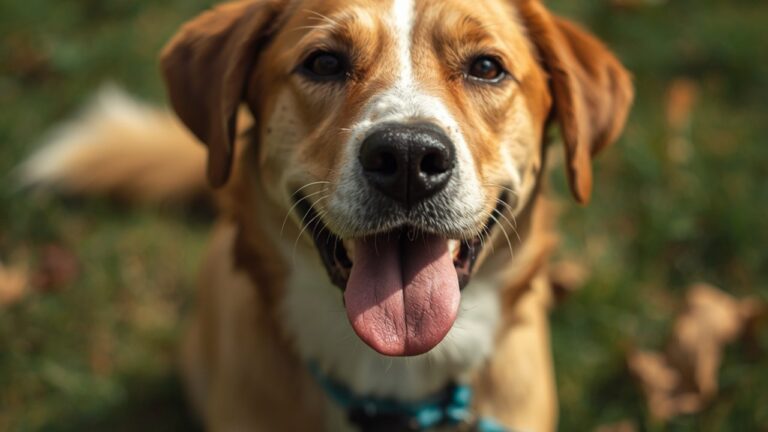
Dog Daily Routine: Build Consistency for Health & Behavior
A dog daily routine isn't just about convenience—it's one of the most powerful tools for raising a happy, well-adjusted, and obedient dog. Dogs are creatures of habit. They thrive when they know what to expect: when meals arrive, when playtime happens, when it's time for a walk, and when rest is expected. Without structure, dogs often develop anxiety, destructive behaviors, and poor impulse control. Whether you're bringing home a new puppy, adopting an adult rescue, or trying to improve your current dog's behavior, establishing a consistent dog schedule is fundamental to success.
In this comprehensive guide, we'll explore how to build an effective daily routine for your dog, the science behind why consistency matters, and practical strategies you can implement today.
Why a Consistent Dog Schedule Matters
A consistent dog schedule creates predictability in your dog's world. When your dog knows that breakfast happens at 7 AM, a walk at 8 AM, and dinner at 6 PM, their brain settles into a pattern of security. This predictability reduces stress hormones like cortisol and promotes the release of calming chemicals in the brain.
Beyond the psychological benefits, routine supports physical health. Dogs fed at the same time each day develop regular digestive patterns, making housetraining easier and more reliable. Regular exercise windows prevent obesity and behavioral problems caused by pent-up energy. Consistent sleep schedules strengthen immune function and mental resilience.
Routine also establishes your role as a leader. Dogs are pack animals with hierarchical instincts; when you control the schedule and resources, your dog naturally recognizes you as the decision-maker. This foundation makes training easier and reduces resource-guarding behaviors.
Consider the alternative: a dog without routine often exhibits:
- Anxiety and stress-related behaviors like excessive barking or destructive chewing
- Unpredictable housetraining accidents
- Jumping, pulling on walks, and poor impulse control
- Separation anxiety when the schedule is disrupted
- Sleep disturbances and hyperactivity
Core Components of a Dog Daily Routine
An effective dog routine includes five essential components: feeding, exercise, training, socialization, and rest. The specific timing depends on your dog's age, breed, energy level, and your lifestyle, but the structure should remain consistent.
Feeding Time
Most adult dogs thrive on two meals per day, spaced 8-12 hours apart. Puppies need three to four meals until six months old, then transition to two daily meals. Feed your dog at the same time each morning and evening. This consistency helps regulate their digestive system and makes bathroom schedules predictable for housetraining.
Avoid leaving food out all day (called free-feeding), as it eliminates the structure your dog needs and makes training harder. Use mealtimes as training opportunities: require your dog to sit before eating, and always establish that you control the resource.
Exercise and Play
Daily exercise burns energy, prevents obesity, and reduces behavioral problems. Most adult dogs need 30 minutes to 2 hours of exercise daily, depending on breed and age. A high-energy Border Collie needs more than a low-energy Basset Hound.
Schedule walks or play sessions at consistent times. Many owners find success with a morning walk (before work) and an evening walk (after work), plus midday activity or play. This spacing prevents the mid-afternoon slump where boredom leads to destructive behavior.
Training and Mental Stimulation
Devote 10-15 minutes daily to training. This doesn't mean formal obedience classes—it's simply practicing commands, introducing new tricks, or working on behavioral goals. Mental stimulation is equally important as physical exercise. Puzzle toys, nose work games, and training sessions engage your dog's brain and tire them out faster than physical exercise alone.
Socialization and Interaction
Schedule time for positive interactions with people and other dogs (if appropriate). This is especially critical for puppies under 16 weeks old, when their socialization window is open. Even adult dogs benefit from regular social exposure in controlled settings.
Rest and Sleep
Dogs need 12-14 hours of sleep daily as adults, and puppies need 18-20 hours. Establish a consistent bedtime and wake-up time. Create a designated rest area—a crate, bed, or quiet room—where your dog knows downtime is expected. This teaches self-soothing and prevents sleep-deprived behavioral issues.
Building Your Dog's Daily Schedule: A Practical Example
Here's a sample daily routine for a typical adult dog in a working household:
- 7:00 AM: Wake up, let dog outside for bathroom, breakfast
- 7:30 AM: Morning walk or fetch session (30-45 minutes)
- 8:15 AM: Return home, water break, dog settles to rest or crate
- 12:00 PM: Midday bathroom break and light play (if possible, or dog walker comes)
- 5:30 PM: Owner arrives home, evening walk or play
- 6:00 PM: Dinner time
- 6:30 PM: Training session or enrichment activity (15 minutes)
- 7:00 PM: Family playtime or relaxation
- 9:30 PM: Final bathroom break outside
- 10:00 PM: Bedtime in designated sleeping area
This schedule provides structure, adequate exercise, mental stimulation, and consistent bathroom breaks. Adjust times based on your lifestyle, but maintain the same intervals daily.
Common Challenges and Solutions
Staying Consistent When Your Schedule Changes
Work trips, vacation, and schedule shifts happen. While occasional changes won't harm your dog, extended unpredictability can trigger anxiety. When possible, maintain core routines even when traveling: feed at the same time, exercise regularly, and establish a temporary rest area. If your schedule changes permanently, transition gradually over 2-3 weeks rather than making abrupt shifts.
Multi-Pet Households
Different dogs may need different routines. If you have a senior dog and a young puppy, create a routine that accommodates both: perhaps the puppy eats more frequently in a separate space, while the senior gets quieter, gentler exercise. The key is predictability for each dog, even if the details differ.
Life with a Puppy
Puppies need more frequent meals, more frequent bathroom breaks (every 2-3 hours), and shorter exercise sessions (5-10 minutes per month of age). A rigid routine is actually more important for puppies than adult dogs because it accelerates housetraining and prevents destructive behaviors caused by confusion.
Dog Routine Benefits: What to Expect
When you implement a consistent dog schedule, you'll see changes within 2-4 weeks:
- Better housetraining: Regular bathroom breaks mean fewer accidents
- Reduced anxiety: Predictability calms your dog's nervous system
- Improved behavior: Less destructive chewing, jumping, and attention-seeking
- Better sleep: A consistent routine helps your dog sleep deeper and longer
- Easier training: A calm, well-exercised dog learns faster
- Stronger bond: Predictable leadership and positive interactions deepen your relationship
Final Thoughts
Building a dog daily routine requires initial planning and commitment, but the payoff is immense. A dog living with structure is a dog living with security, contentment, and confidence. Start with the core components—feeding, exercise, training, and rest—and adjust based on your dog's individual needs and your life circumstances. Consistency is more important than perfection. Stick with your routine for at least 4 weeks before evaluating whether it's working, and remember that the best routine is one you can sustain long-term. Your dog will reward your dedication with better behavior, improved health, and a stronger partnership with you.
FAQ
How long does it take for a dog to adjust to a new routine?
Most dogs begin adapting to a new routine within 2-4 weeks, though complete adjustment can take up to 8 weeks. Consistency during this period is critical—avoid deviations, as they can reset your dog’s adaptation timeline. Patience and persistence pay off with lasting behavioral improvements.
Is a dog daily routine necessary if my dog seems fine without one?
Yes. Even dogs appearing content without routine often struggle with hidden anxiety, behavioral issues, or health problems. Routine provides structure that prevents future problems and optimizes your dog’s physical and mental health. It’s preventative care, not just a fix for existing issues.
Can I change my dog’s routine if my work schedule changes?
You can, but change gradually over 2-3 weeks to avoid stress. Abrupt schedule changes can trigger anxiety and housetraining accidents. Work with a dog walker or doggy daycare to maintain consistency during transitions, especially for meal and bathroom times.
What’s the best time to start a dog daily routine?
Start immediately when bringing your dog home, whether it’s a puppy or adult rescue. The sooner you establish routine, the faster your dog adapts and the fewer behavioral problems develop. It’s never too late to implement structure, even with adult dogs.
How much exercise should be in my dog’s daily routine?
Most adult dogs need 30 minutes to 2 hours daily, depending on breed and age. High-energy breeds like Border Collies need more; low-energy breeds like Bulldogs need less. Combine physical exercise with mental stimulation for optimal results.