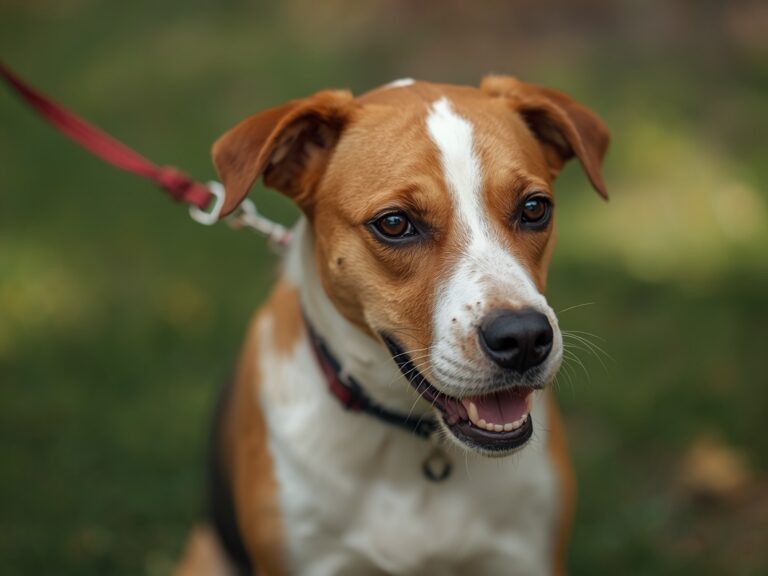
Jack Russell Terrier Training: Taming the High-Energy Genius
Jack Russell Terriers are among the smartest dog breeds on the planet—brilliant, energetic, and wonderfully entertaining companions. But their intelligence and boundless energy can quickly become a challenge if you don't understand how to channel them effectively. If you're a Jack Russell owner struggling with jumping, nipping, or destructive behavior, you're not alone. This breed requires specialized jack russell terrier training that goes beyond standard obedience methods.
Unlike many dog breeds that respond to basic commands and occasional exercise, Russells need mental stimulation, consistent structure, and an owner who understands their unique personality. They were originally bred to hunt foxes in England—a job requiring independence, tenacity, and explosive bursts of energy. Those traits remain hardwired into the breed today. The good news? When trained properly, they become absolutely phenomenal companions. This guide covers everything you need to know about training this remarkable breed.
Understanding the Jack Russell Terrier Temperament
Before diving into training techniques, you need to understand what makes a Jack Russell tick. This breed isn't motivated by the desire to please their owner—not like a Labrador Retriever or Golden Retriever. Instead, Jack Russells are driven by prey drive, independence, and their own determination to solve problems.
Their intelligence is deceptively high. Jack Russells learn commands incredibly fast, often in just 2-3 repetitions. However, they don't always obey them. There's an important distinction: your dog knows the command, but they've decided it's not in their interest to follow it. This is where high energy dog training differs from typical obedience. You're not just teaching commands—you're negotiating with an independent spirit who sees themselves as an equal partner in the household.
These dogs also have what breeders call "terrier attitude." They're bold, fearless, and will challenge authority if they perceive weakness. A Jack Russell will happily take on a dog three times their size if they believe they can win. This isn't aggression—it's confidence born from their heritage as working hunters.
Foundation Training: Starting Strong
Successful jack russell terrier training begins with understanding that these dogs respond best to structured, reward-based methods combined with clear leadership. Here's how to build a solid foundation:
Establish yourself as the pack leader through consistency, not dominance. Jack Russells respect owners who set clear boundaries and follow through. Every family member must enforce the same rules. If Mom allows jumping on the couch but Dad doesn't, your Russell will exploit that inconsistency.
Use high-value rewards. Forget dry kibble. Jack Russells are food-motivated when the reward justifies their effort. Keep training sessions short—5 to 10 minutes max—with premium treats like chicken, cheese, or special training-only rewards that generate genuine excitement.
Master the fundamentals: sit, stay, come, and leave it. These four commands form the foundation for everything else. Teach them in quiet environments first, then gradually introduce distractions. A smart dog breed like the Jack Russell will learn these in one or two training sessions, but consistency across weeks is essential for reliability.
Implement positive punishment strategically. When your Russell does something undesirable—like jumping—remove the reward (your attention). Turn away, don't make eye contact, and ignore them completely until they settle. Then praise the calm behavior. This teaches them that their desired behavior (jumping, nipping) doesn't work.
Managing High Energy Through Exercise and Enrichment
You cannot train a Jack Russell into calmness. These dogs need physical and mental outlets, or they'll create their own (usually by destroying your furniture or training your neighbors with their barking).
Daily exercise requirements: Jack Russells need 45 minutes to 90 minutes of vigorous activity daily. This isn't a leisurely neighborhood walk—it's serious exercise. Jogging, fetch sessions, agility training, or flirt pole work all work well. A tired Jack Russell is a trainable Jack Russell. A bored one is a nightmare.
Mental enrichment is equally important. Puzzle toys, sniff games, and hide-and-seek exercises engage their problem-solving abilities. Try hiding treats around your house and letting your Russell find them. Create DIY enrichment by stuffing a Kong with peanut butter and freezing it. These activities burn mental energy that would otherwise fuel destructive behavior.
Rotate activities frequently. Jack Russells are intelligent and get bored easily with repetitive exercise. Mix running, fetch, swimming, and training games. Some excel at dock diving or agility competitions, which provide both physical and mental stimulation.
Schedule multiple sessions daily. Instead of one 90-minute session, consider three 30-minute sessions spread throughout the day. This breaks up their energy and keeps them occupied during high-risk times.
Addressing Common Behavioral Challenges
Even with good training, Jack Russells often display characteristic behaviors that owners find challenging. Understanding these helps you respond appropriately.
Jumping and nipping: Puppies explore the world with their mouths. Redirect this instinct by offering a toy or rope to bite. When your Russell nips during play, immediately stop all interaction. Say "ouch" dramatically (they respond well to theatrical reactions) and ignore them for 30 seconds. Resume play only when they're calm.
Excessive barking: Jack Russells bark for many reasons—alerting you to something, seeking attention, or simply expressing themselves. Never yell "quiet!" because you're providing the attention they want. Instead, teach a "quiet" command by waiting for a pause in barking, saying "quiet," then immediately rewarding with treats or play. Consistency over weeks trains them to respond.
Separation anxiety and destructive behavior: These stem from boredom and anxiety, not punishment. Before leaving, provide a long-lasting chew, puzzle toy, or stuffed Kong. Exercise them thoroughly beforehand. Consider crate training—when done correctly, the crate becomes a safe space, not a punishment. Leave for short periods initially, gradually extending duration as your Russell learns you always return.
Prey drive and aggression toward small animals: This is hardwired, not trained away. Never leave your Jack Russell unsupervised with cats, rabbits, or other small pets. Use strong recall training and a reliable leash system. Some Russells can coexist peacefully with cats when socialized from puppyhood, but others cannot—be realistic about your dog's individual temperament.
Advanced Training and Competition
Once basic obedience is solid, many Jack Russell owners explore advanced training. This breed excels in competitive environments.
Agility training is particularly well-suited to Jack Russells. Their size, athleticism, and problem-solving skills make them natural competitors. Many Russell owners report that agility training dramatically improves behavior at home because it provides both exercise and mental engagement.
Scent work and nosework tap directly into their hunting heritage. Training your Russell to search for specific scents or find hidden objects satisfies their genetic instincts in controlled ways.
Trick training keeps their minds sharp and strengthens your bond. Jack Russells enjoy learning new behaviors and showing them off. Train them to play dead, crawl, spin, or jump through hoops—the possibilities are endless.
The most important factor in advanced training is finding a qualified instructor who understands the breed and uses positive reinforcement methods. Harsh corrections backfire with Jack Russells, causing them to either shut down or escalate their challenging behavior.
Conclusion
Jack russell terrier training isn't fundamentally different from training other dogs, but it does require patience, consistency, and an appreciation for their unique personality. These are intelligent, independent-minded companions who thrive with clear structure, plenty of exercise, and owners who respect their terrier nature.
Success comes from working with your Russell's instincts rather than against them. Channel their energy into exercise and mental enrichment. Use rewards that genuinely excite them. Set clear boundaries and enforce them consistently. Most importantly, recognize that your Jack Russell isn't trying to be difficult—they're simply being brilliantly, authentically themselves.
When approached correctly, high energy dog training of this breed becomes an enjoyable partnership. Your Russell will reward your effort with unwavering loyalty, hilarious antics, and a bond that lasts a lifetime.
FAQ
At what age should I start jack russell terrier training?
Begin socialization and basic training as soon as you bring your puppy home (8-12 weeks old). Young Jack Russells learn extremely quickly and retain information better. Start with simple commands like sit and come, then gradually increase complexity. Puppy training classes specifically designed for high-energy breeds are ideal.
How much exercise does a Jack Russell need daily?
Jack Russells require 45-90 minutes of vigorous exercise daily. This includes running, fetch, agility, or swimming—not just leisurely walks. Split exercise into multiple sessions throughout the day for optimal results. Without adequate activity, they become destructive and difficult to train.
Are Jack Russells hard to train compared to other breeds?
Jack Russells are intelligent and learn commands quickly, but they’re independent-minded and don’t have the innate desire to please like some breeds. They respond best to reward-based training and consistent leadership. They’re moderately difficult compared to highly obedient breeds, but easier than many others when trained by experienced owners.
What’s the best reward for training a Jack Russell?
High-value treats work best—chicken, cheese, or special training-only rewards generate genuine excitement. Some Jack Russells also respond well to play or access to toys. Experiment to find what genuinely motivates your individual dog. Regular kibble is rarely effective enough for serious training motivation.
Can Jack Russells be trusted off-leash?
Not reliably. Their prey drive and independent nature mean they’ll chase rabbits, squirrels, or other dogs without thinking about recall commands. Even well-trained Russells can ignore commands when their instincts kick in. Use enclosed areas or maintain a long-line when off-leash until you’ve proven exceptional reliability over months.