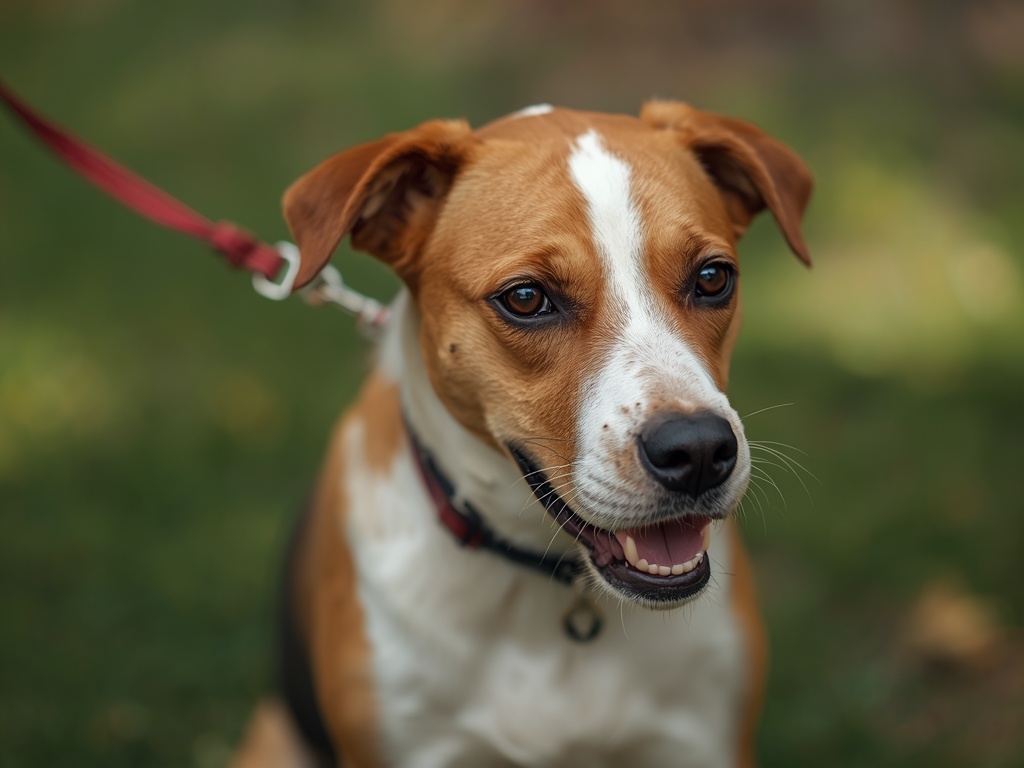
Leash Training 101: Stop Your Dog From Pulling on Walks
If you dread taking your dog for a walk because of constant pulling, tugging, and lunging, you're not alone. Leash training is one of the most common challenges dog owners face, yet it's also one of the most rewarding to overcome. A dog that walks calmly beside you transforms the entire experience—from stressful to enjoyable for both of you. This comprehensive guide covers everything you need to know about leash training, including why dogs pull, proven techniques to stop the behavior, and how to achieve reliable loose leash walking.
Understanding why your dog pulls on the leash is the first step toward solving the problem. Dogs pull for several reasons: excitement, poor impulse control, lack of training, or simply because pulling works. When your dog lunges forward and you follow along (even reluctantly), you've inadvertently rewarded the pulling behavior. From their perspective, pulling gets them where they want to go faster. Additionally, some dogs pull due to anxiety, wanting to investigate everything in their environment, or because they've learned that forward movement equals fun.
Why Dogs Pull: Understanding the Root Cause
Pulling behavior develops early in a dog's life, sometimes as early as puppyhood. Many well-meaning owners let young puppies pull because they're small and cute, then struggle when the same behavior continues in a 60-pound adolescent. Understanding your individual dog's motivation is crucial for choosing the right training approach.
Some dogs are naturally more driven to explore and sniff, which causes pulling when they catch an interesting scent. Others pull due to insufficient exercise or mental stimulation—a pent-up dog has more energy to direct into pulling. Fear-based pullers, on the other hand, pull away from perceived threats rather than toward something exciting. Recognizing which category your dog falls into will help you select the most effective training technique.
Throttled arousal levels also play a role. Dogs walking in stimulating environments (busy streets, parks with other dogs) experience heightened excitement that translates into pulling. Until your dog develops self-control through training, these high-stimulus environments will be more challenging.
The Fundamentals of Loose Leash Walking
Loose leash walking is the gold standard for dog walks. It means your dog walks alongside you with a slack leash—not pulling forward, not lagging behind, simply moving at your pace with attention on you. This requires your dog to develop impulse control and learn that the best rewards come from staying close to you rather than pulling ahead.
Start leash training in a low-distraction environment like your backyard or a quiet street. Your dog needs to understand the basics before you test them in stimulating environments. Here's the foundational approach:
Step 1: Establish the Position. Decide whether you want your dog on your left or right side (left is traditional) and be consistent. Your dog should walk at your hip, not ahead of you.
Step 2: Use High-Value Rewards. Identify treats your dog absolutely loves—not regular kibble, but something special reserved for training. Small, soft treats work best because your dog can eat them quickly and keep moving.
Step 3: Reward Frequently. Every few steps when the leash is slack, reward your dog with a treat and verbal praise. This teaches them that staying close to you is more rewarding than pulling ahead.
Step 4: Change Direction. Whenever your dog pulls, smoothly change direction without jerking the leash. Don't make a big deal of it—just turn and walk the other way. Your dog will eventually realize that pulling causes the walk to go in an undesired direction.
Proven Techniques to Stop Dog Pulling
While loose leash walking principles remain consistent, different dogs respond to different specific techniques. Here are the most effective methods:
The Stop-and-Go Method
This simple but powerful technique teaches your dog that pulling stops progress. Whenever your dog pulls, you immediately stop moving and stand still. Don't say anything, don't look at your dog—just become a statue. The moment the leash slackens and your dog looks back at you or reduces tension, reward them and continue walking. This creates an association: pulling equals walk stops, slack leash equals walk continues.
This method works especially well for dogs motivated by forward movement. It requires patience and consistency, but it's highly effective over time.
The Heel Marker Method
Choose a word like "heel" and only use it during formal leash training. When walking, frequently mark the exact moment your dog is in the correct position (at your side with slack leash) using a marker word like "yes!" or a clicker, immediately followed by a treat. This positive association helps your dog understand exactly what you want.
Gradually reduce treat frequency as your dog improves, transitioning to intermittent rewards. Many dogs find this method clear and motivating because they're getting instant feedback.
The 180-Degree Turn
Instead of stopping, turn 180 degrees and walk in the opposite direction whenever your dog pulls. This is the same principle as the stop-and-go method but adds momentum. Many dogs find this more interesting because you're actually moving in a new direction, making it slightly more rewarding than simply stopping.
Managing Distractions During Leash Training
Real-world walks include distractions—squirrels, other dogs, exciting smells, and interesting sights. Your dog's ability to maintain loose leash walking varies depending on distraction level. Expect progress to be slower in high-distraction environments.
Create a distraction hierarchy. Start training in boring places, then gradually work up to busier areas as your dog improves. For squirrel-chasers or dog-reactive dogs, practice in locations with fewer triggers while you build foundation skills. You can gradually introduce distractions once your dog demonstrates solid loose leash walking in calm settings.
When you encounter a major distraction, it's fine to increase your treat rewards temporarily or shorten the walk. You're not failing—you're recognizing your dog's current training level and adjusting appropriately.
Equipment Considerations and Best Practices
While leash training is primarily about behavior modification, the right equipment helps tremendously. A standard collar or harness is necessary—avoid retractable leashes, which actually encourage pulling by providing slack and forward movement reward. A fixed 6-foot leash gives you better control and clearer communication.
Head halters and front-clip harnesses can reduce pulling by redirecting your dog's momentum, but they don't teach your dog not to pull. They're useful management tools, but shouldn't replace training. If you use them, combine them with the training techniques above.
Consistency across all handlers is essential. If one family member allows pulling while another discourages it, your dog will get confused and training will take longer. Make sure everyone using the leash follows the same approach.
Conclusion
Leash training takes time, patience, and consistency, but the payoff is enormous. A dog that walks calmly on a loose leash is safer, happier, and a pleasure to be around. Whether you're dealing with a young puppy's initial pulling or trying to retrain an adult dog's established habits, these techniques work when applied consistently.
Remember that leash training isn't about dominating your dog—it's about teaching clear communication and rewarding the behavior you want to see. Every dog can learn loose leash walking. Stay patient during the process, celebrate small improvements, and you'll soon enjoy the peaceful walks you've been dreaming of.
FAQ
How long does it take to train a dog not to pull on the leash?
Timeline varies by dog, but most dogs show noticeable improvement within 2-4 weeks of consistent daily training. Full reliability typically takes 2-3 months. Consistency and frequency matter more than total time—five 15-minute sessions per week beats one long session per week.
What’s the best leash training technique for stubborn dogs?
The Stop-and-Go method works well for stubborn dogs because it’s patient and logical. Additionally, high-value treats and very short initial training sessions (10-15 minutes) prevent frustration. Some stubborn dogs also respond well to front-clip harnesses as a temporary management tool while training progresses.
Can I use a retractable leash for loose leash walking training?
No—retractable leashes actually encourage pulling by rewarding forward movement with more leash extension. Use a fixed 6-foot standard leash during training. Retractable leashes can be used once your dog reliably maintains loose leash walking, but they’re not ideal for initial training.
Is it ever too late to train an adult dog not to pull?
It’s never too late. Adult dogs can learn loose leash walking, though established pulling habits may take longer to break than puppies. Stick with your chosen training method for at least 4-6 weeks before evaluating progress, and consider working with a professional trainer if you hit a plateau.
My dog pulls specifically toward other dogs—is this a leash training issue?
This suggests dog reactivity or excitement, not just pulling. Combine loose leash walking training with distance management. Practice training at distances where your dog can see other dogs without pulling, gradually decreasing distance as skills improve. A professional trainer may be helpful if reactivity is severe.