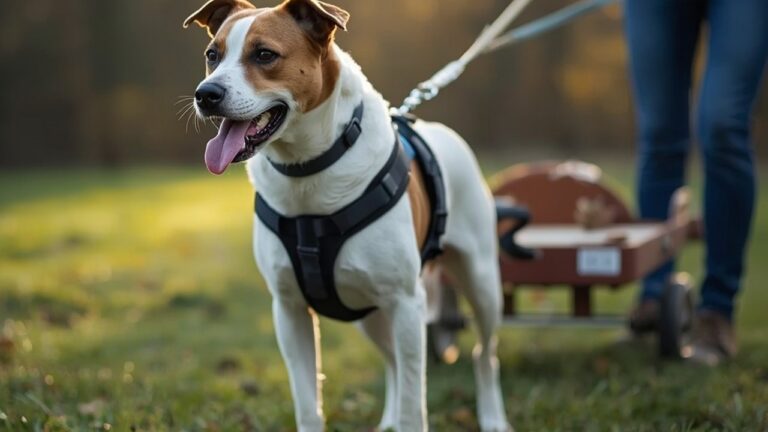
Best Harness Jack Russell Terrier: Top Picks & Guide
This post contains affiliate links. If you buy through them, we may earn a small commission at no extra cost to you. Learn more.
Jack Russell Terriers are bundles of energy with surprisingly strong necks and an uncanny ability to wriggle out of restraints. If you've ever struggled with your JRT pulling on walks, lunging at squirrels, or slipping out of their collar, you're not alone. The right harness can transform your walking experience—and more importantly, keep your spirited pup safe.
Choosing the best harness for a Jack Russell Terrier goes beyond grabbing the smallest option at the pet store. These compact yet powerful dogs need equipment designed specifically for their build: a deep chest, muscular shoulders, and that notorious Houdini-like escape artist mentality. This guide walks you through the top harnesses available, explains what makes them work for JRTs, and answers the questions Jack Russell owners ask most.
Why Jack Russell Terriers Need Specialized Harnesses
Jack Russells aren't like typical small dogs. Weighing between 13-17 pounds, they pack remarkable strength and determination into their small frames. Their ancestors were bred to chase foxes from underground burrows, which explains their fearlessness and powerful drive to explore—often against their owner's wishes.
A standard small dog collar creates several problems:
- Neck strain: The pulling force concentrates on a small area, risking tracheal damage
- Escape risk: JRTs can slip collars with practiced wiggling
- Poor control: You have minimal leverage during excited moments
- Discomfort: Their muscular build means they need proper weight distribution
A well-fitted escape proof harness distributes pressure across the chest and shoulders, giving you control without choking your dog. The best harness for Jack Russell Terrier owners is one that prevents escape while allowing natural movement and breathing.
Top Harness Options for Jack Russell Terriers
No-Pull Harnesses
The Blue-9 Balance Harness is a favorite among positive reinforcement trainers and JRT owners. This front-clip harness redirects your dog's forward momentum when they pull, naturally turning them toward you rather than yanking their neck. It's comfortable for extended wear, fits the JRT's athletic build perfectly, and the design prevents most escape attempts.
The Ruffwear Front Range Harness offers similar benefits with added durability. It's machine washable, has reflective trim for evening walks, and includes a handle for lifting small dogs. The snug fit around the chest makes it difficult for determined terriers to back out.
Vest-Style Harnesses
Vest harnesses cover more body surface area, distributing pressure even more effectively. The Puppia Soft Vest Harness is lightweight and comes in fun patterns, but offers less control. For better security, the Gooby Escape Free Harness was specifically designed to prevent escape—it has two clip points and a snug fit that even escape artist terriers struggle to defeat.
Adjustable Escape-Proof Options
The PetSafe Easy Walk Harness is affordable and widely available. Its dual-strap design and front-clip feature make it accessible for budget-conscious owners, though it requires proper sizing to prevent the famous JRT escape.
Secondary Keywords: Terrier Leash Recommendations
The harness is only half the equation—your terrier leash recommendations matter equally. A 4-6 foot standard leash works well for most Jack Russells, but the material and construction differ significantly.
Leash Materials Worth Considering
- Nylon: Durable, affordable, and easy to clean. Standard choice for active dogs
- Leather: Premium feel, gentler on hands, but requires maintenance and can be chewed
- Rope: Excellent grip and less likely to cause rope burn, though harder on hands during hard pulls
- Retractable: Generally NOT recommended for JRTs. Their strength and prey drive make retractable leashes dangerous
Pair your escape-proof harness with a sturdy 5-foot leash made from quality nylon or leather. Look for hardware that withstands your terrier's pulling power—stainless steel or heavy-duty plastic, never cheap zinc-plated metal that can snap.
How to Fit Your Jack Russell's Harness Correctly
An expensive, high-quality harness fails if it doesn't fit properly. Jack Russells are compact, but individual dogs vary significantly.
The Fitting Process
- Measure your JRT's chest at the widest point behind the front legs
- Check the manufacturer's size chart—most run small
- When fitted, you should fit two fingers between the harness and your dog's chest
- Test the escape factor: try gently pulling upward on the harness. Your dog shouldn't be able to slip out
- Ensure the harness doesn't restrict leg movement or cause chafing
Jack Russells are notorious for growing out of gear quickly, so plan to re-measure every 3-4 months if you have a young pup. Some owners prefer adjustable harnesses like the Blue-9 that grow with their dog.
Training Your Jack Russell to Accept the Harness
Even the best harness for Jack Russell Terrier owners won't work if your dog refuses to wear it. JRTs are intelligent and stubborn—forcing a harness creates resistance.
Gradual Introduction
- Day 1-2: Let your dog sniff and investigate the harness with treats nearby
- Day 3-4: Hold the harness while offering high-value treats, no strapping involved
- Day 5-6: Gently drape it over their back, reward immediately, remove it
- Day 7: Attempt fastening while feeding treats or during playtime
- Week 2: Wear it indoors during positive activities
- Week 3: Short outdoor walks in low-distraction areas
Never chase your JRT to put on a harness—this triggers their prey drive and turns it into a game they're determined to "win."
Common Jack Russell Harness Questions
Why does my Jack Russell still pull in a harness?
Pulling is a behavior problem, not a harness problem. A front-clip harness redirects momentum but doesn't eliminate the desire to pull. Combine your escape-proof harness with positive reinforcement training, rewarding loose-leash walking consistently.
Can I use a standard small dog harness?
Standard harnesses often don't fit the JRT's unique build properly, leaving gaps where they can escape. Their deep chest and muscular shoulders require harnesses specifically designed for compact, powerful breeds.
How long should a harness last?
Quality harnesses last 2-4 years with proper care. Check monthly for wear, especially at stress points like clip sites and where straps meet. Replace immediately if you notice damage.
Chooking the right harness for your Jack Russell Terrier transforms walks from stressful battles into enjoyable experiences. Whether you choose a front-clip no-pull design, a vest-style escape-proof option, or an adjustable system, prioritize fit, comfort, and your individual dog's needs. Combined with proper training and a sturdy leash, the best harness keeps your spirited terrier safe while giving you the control and peace of mind every owner deserves.
Recommended Gear
Harness Jack Russell Terrier
Terrier Leash
Small Dog Escape Proof Harness
FAQ
What’s the difference between a harness and a collar for Jack Russell Terriers?
Harnesses distribute pressure across the chest and shoulders, preventing neck strain and escape attempts. Collars concentrate force on the neck, risking tracheal damage and making it easier for determined JRTs to slip out. Harnesses provide significantly better control and safety for this breed.
How do I know if my Jack Russell’s harness fits correctly?
A properly fitted harness should allow two fingers between the material and your dog’s chest. Gently pull upward on the harness—your JRT shouldn’t be able to slip out. The harness shouldn’t restrict leg movement or cause chafing anywhere on the body.
Are retractable leashes safe for Jack Russell Terriers?
No, retractable leashes are not recommended for JRTs. Their strength, prey drive, and quick reflexes make retractable leashes dangerous—the sudden jolts can cause neck injuries, and the extended length makes it harder to control them around traffic or other dogs.
Why does my Jack Russell escape from every harness?
Jack Russels are escape artists, but proper fit is key. Measure carefully, check manufacturer sizing, and test the fit before buying. Front-clip harnesses and vest-style designs with multiple anchor points are harder to escape from than traditional back-clip options.
How often should I replace my dog’s harness?
Quality harnesses typically last 2-4 years with proper care. Inspect monthly for wear at clip sites and strap junctions. Replace immediately if you notice tears, loose hardware, or reduced snugness, as these compromise both safety and escape prevention.