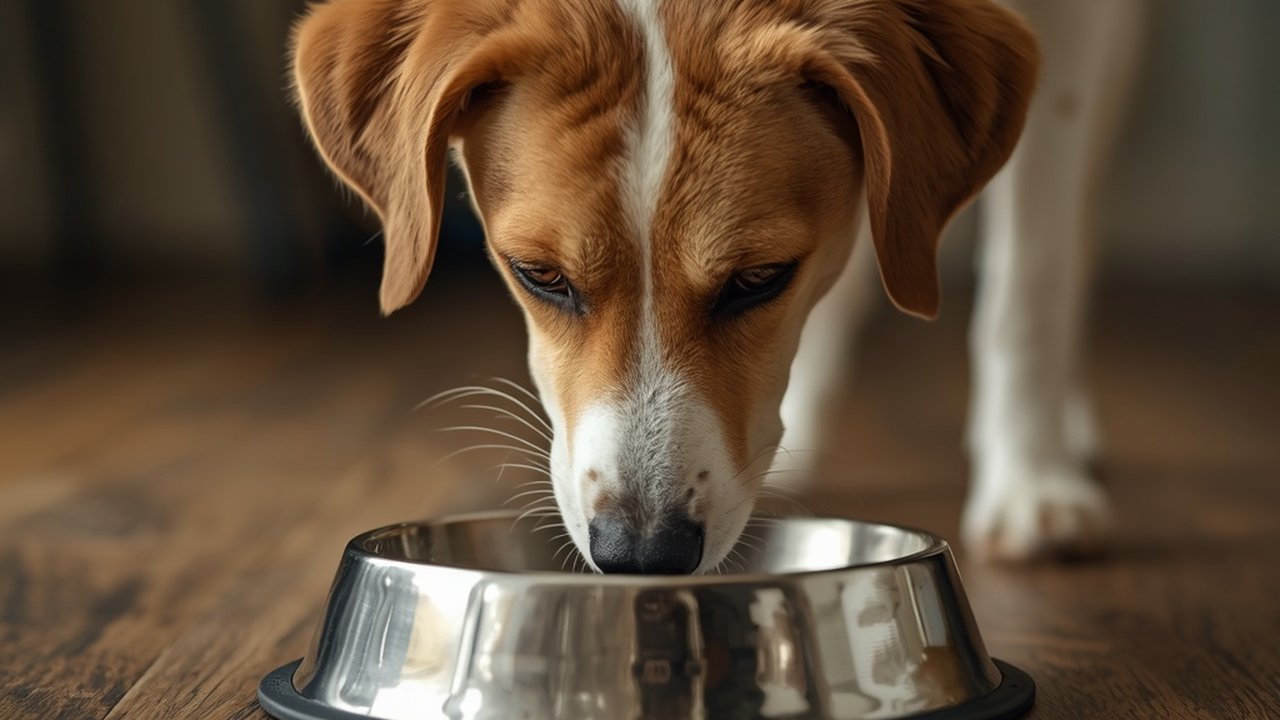
Slow Feeder Dog Bowl: Do They Actually Help?
This post contains affiliate links. If you buy through them, we may earn a small commission at no extra cost to you. Learn more.
If your dog scarfs down meals in seconds flat, you've probably wondered whether a slow feeder dog bowl could actually make a difference. The short answer: yes, they can help—but it's worth understanding how, and whether your dog actually needs one.
Fast eating is more common than you might think, especially among certain breeds and dogs with competitive eating habits. When dogs eat too quickly, they don't chew properly, swallow excess air, and can experience digestive upset, bloating, or even a serious condition called gastric dilatation-volvulus (GDV). A slow feeder bowl is designed to force your dog to eat more slowly by creating physical barriers in the bowl, making it harder to gulp down kibble in one go.
In this guide, we'll explore the real benefits of slow feeders, examine the science behind them, and help you decide if one is right for your dog.
What Is a Slow Feeder Dog Bowl?
A slow feeder dog bowl is a specially designed feeding dish that contains ridges, raised bumps, maze-like patterns, or compartments that make it difficult for your dog to access all their food at once. Rather than eating from a smooth, flat surface where kibble can be scooped up quickly, dogs must work around obstacles to reach individual pieces.
These bowls come in several varieties:
- Maze-style bowls — Feature raised patterns that force dogs to navigate around obstacles
- Ridge-based feeders — Include vertical or horizontal ridges that slow down consumption
- Compartmentalized bowls — Divide food into small sections to limit how much can be eaten per bite
- Puzzle feeders — Combine slow-feeding with interactive enrichment elements
Most are made from durable materials like stainless steel, plastic, or ceramic, and many are dishwasher-safe. They typically cost between $10 and $40, making them an affordable potential solution to feeding problems.
The Real Benefits of Slow Feeder Bowls
The primary benefit of a slow feeder dog bowl is exactly what the name suggests: it slows down eating. But the downstream effects of slower eating are where the real value lies.
Better Digestion — When dogs eat more slowly, they have time to properly chew their food. Chewing breaks down kibble and mixes it with saliva, which helps initiate digestion before food reaches the stomach. Slower eating also gives your dog's digestive system time to process food properly, reducing the likelihood of upset stomach or digestive distress.
Reduced Bloating and Gas — Fast eating causes dogs to swallow large amounts of air along with their food. This trapped air in the stomach and intestines can lead to bloating, discomfort, and gas. By slowing down the eating process, your dog swallows less air, which can dramatically reduce these symptoms.
Lower Risk of GDV — Gastric dilatation-volvulus (bloat) is a life-threatening emergency where a dog's stomach fills with gas and sometimes twists on itself. While the exact cause of GDV is complex and involves multiple factors, eating too quickly is considered a risk factor. Using a slow feeder bowl won't prevent GDV entirely, but it may reduce the risk, particularly in high-risk breeds like German Shepherds, Great Danes, and Boxers.
Behavioral Benefits — For dogs with competitive eating habits or those in multi-dog households, a slow feeder bowl can reduce food aggression and create a calmer mealtime. When eating takes longer, it's less of a rush, and your dog may feel less need to compete or guard their food.
Weight Management — Slower eating may contribute to better weight management. Your dog's brain takes about 15-20 minutes to register fullness signals. Eating slowly gives satiety hormones time to kick in, which can help prevent overeating and obesity.
Do Slow Feeder Bowls Actually Work?
The short answer is: yes, but with caveats. Research supports the idea that slow feeders reduce eating speed and can improve digestion in dogs prone to rapid consumption. A study published in veterinary literature found that dogs using maze-style feeders ate significantly more slowly than from regular bowls, with reduced air intake.
However, effectiveness varies depending on several factors:
- Bowl design — Some designs work better than others. Maze-style feeders tend to be more effective than simple ridge designs for very fast eaters
- Your dog's persistence — Some determined dogs can still work around obstacles quickly, while others genuinely slow down
- Initial adjustment — Some dogs need a week or two to adapt to the new bowl format
- Food type — Slow feeders work best with kibble or wet food. They're less effective with semi-liquid foods
For most dogs experiencing slow feeder benefits, the change becomes noticeable within a few days to a week of use.
Is a Slow Feeder Bowl Right for Your Dog?
Not every dog needs a slow feeder bowl. Consider using one if your dog:
- Finishes meals in under a minute
- Shows signs of bloating or gas after eating
- Vomits undigested food shortly after meals
- Has a breed predisposition to GDV (large or giant breeds)
- Eats aggressively or shows resource guarding behaviors
- Is overweight and tends to overeat
You might not need one if your dog:
- Already eats at a reasonable pace
- Has no digestive issues
- Is a picky eater (a slow feeder might make mealtime frustrating)
- Has dental problems that make navigating obstacles painful
If you're unsure, talk to your veterinarian. They can assess your individual dog's needs and recommend whether a slow feeder is appropriate.
Tips for Introducing a Slow Feeder Bowl
If you decide to get a slow feeder dog bowl, here's how to introduce it successfully:
-
Start gradually — Place a small amount of food in the new bowl and let your dog explore it without pressure. Some dogs adapt immediately; others need time.
-
Mix familiar and unfamiliar — If your dog seems frustrated, try placing some food in their old bowl and some in the slow feeder to ease the transition.
-
Keep mealtimes positive — If your dog becomes stressed or refuses to eat, take it slower or try a different design. Mealtime should never be stressful.
-
Monitor portions — Since eating takes longer, make sure you're not leaving food out excessively long or feeding extra amounts.
-
Clean regularly — Food particles can get trapped in the ridges and crevices. Wash the bowl daily, and use a brush if needed to reach all areas.
Conclusion
Slow feeder dog bowls are a legitimate tool for addressing rapid eating in dogs, with real benefits for digestion, bloating prevention, and overall mealtime behavior. While they're not a cure-all and not every dog needs one, for fast eaters—especially those in high-risk breeds or with existing digestive issues—they can make a meaningful difference.
The investment is minimal, the risk is low, and if your dog is a gulper, the payoff can be significant. Start with a quality bowl, introduce it patiently, and monitor your dog's response. In most cases, you'll notice improvements within a week or two. Combined with other healthy feeding practices—like portion control, regular exercise, and veterinary oversight—a slow feeder bowl can be a simple but effective part of keeping your dog healthy and happy.
Recommended Gear
Slow Feeder Dog Bowl
FAQ
Can a slow feeder bowl prevent bloat in dogs?
While a slow feeder bowl can reduce some risk factors for bloat (like rapid eating and air swallowing), it’s not a guaranteed preventative. Bloat is complex and multifactorial. However, using a slow feeder is a sensible precaution, especially for high-risk breeds like Great Danes and German Shepherds.
How long does it take to see results from a slow feeder bowl?
Most dogs show immediate changes in eating speed once they start using a slow feeder bowl. However, digestive benefits like reduced gas or vomiting may take a few days to a week to become apparent, as your dog’s system adjusts to the slower eating pace.
Are all slow feeder dog bowls the same?
No. Maze-style and ridge-based feeders work differently, and their effectiveness varies by dog and bowl design. Puzzle feeders add mental enrichment but may not slow eating as much. It’s worth trying different styles to see which works best for your dog.
What if my dog refuses to eat from a slow feeder bowl?
Some dogs need time to adapt. Try introducing it gradually with small amounts of food, mixing it with their regular bowl, or choosing a different design. If your dog consistently refuses after a week, consult your vet about alternative strategies for fast eating.
Can puppies use slow feeder bowls?
Yes, puppies can use slow feeder bowls, though they’re usually not necessary for young dogs. They may be helpful for large-breed puppies with fast-eating habits, but always consult your vet about age-appropriate feeding practices for your puppy.