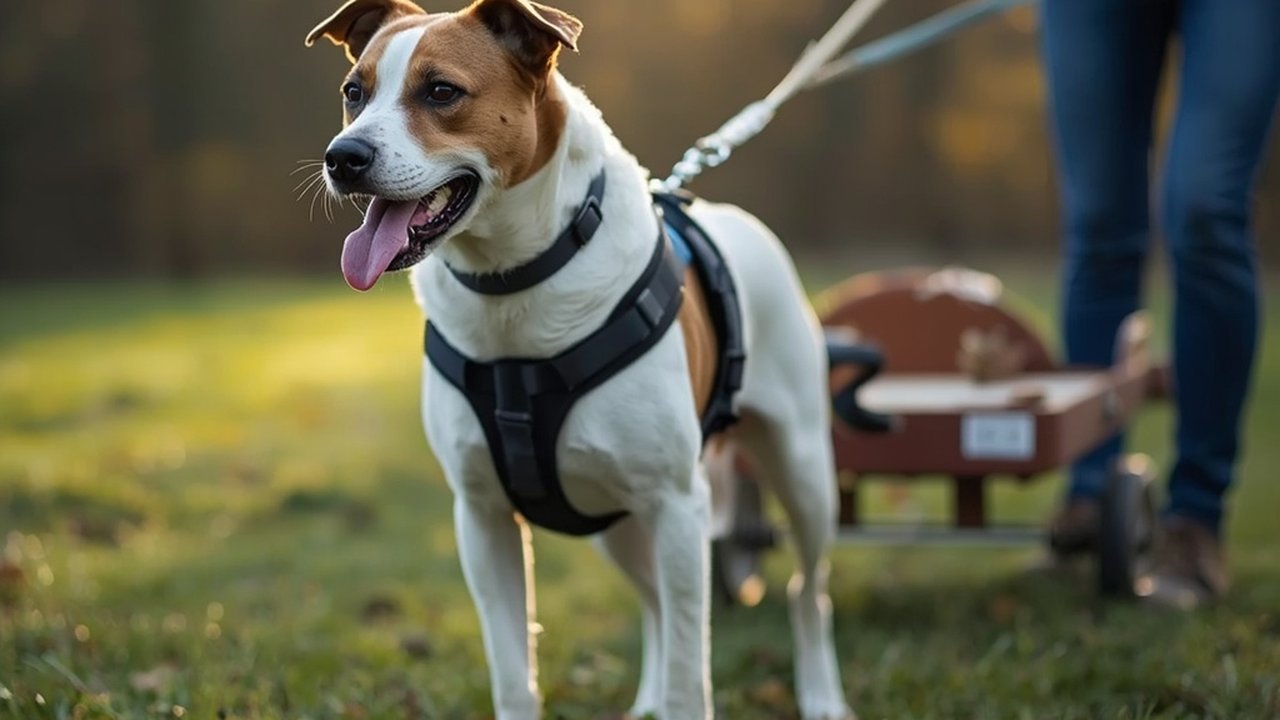
Best Dog Harness for Pulling: Complete Buyer’s Guide
This post contains affiliate links. If you buy through them, we may earn a small commission at no extra cost to you. Learn more.
If your dog pulls on the leash during walks, you're not alone. Leash pulling is one of the most common behavioral challenges dog owners face, and it can turn what should be an enjoyable outing into a frustrating struggle. The good news? A well-chosen harness can make an enormous difference. Unlike collars, the best dog harness for pulling distributes pressure across your dog's chest and body rather than concentrating it on the neck, making walks safer and more comfortable for both of you.
In this comprehensive guide, we'll explore what makes a no-pull harness effective, the different types available, and how to choose the right one for your specific dog. Whether you have a small terrier or a large breed puppy, understanding harness features and options will help you find the perfect solution.
Understanding Why Dogs Pull and How Harnesses Help
Dogs pull for various reasons: excitement, prey drive, lack of training, or simply because they haven't learned better leash manners. When using a traditional collar, pulling places strain directly on the neck and trachea, which can cause injury over time and actually reinforce the pulling behavior because the dog learns they can move forward despite resistance.
A no-pull harness works differently. By redirecting pulling force to the chest or sides, these harnesses either discourage pulling through discomfort (front-clip designs) or provide better control through leverage. Many dogs naturally reduce pulling when wearing a properly fitted harness because the sensation is less rewarding than pulling on a collar.
Key benefits of using a harness:
- Reduces neck strain and injury risk
- Distributes pressure across a wider body area
- Provides better control during walks
- Encourages proper leash training
- Comfortable for extended wear
Understanding this foundation helps you appreciate why harness selection matters and why one design might work better for your dog than another.
Types of No-Pull Harnesses: Which Design Is Right for Your Dog?
When shopping for a harness buying guide, you'll encounter several distinct designs, each with advantages and disadvantages.
Front-Clip Harnesses
Front-clip harnesses have the leash attachment point on the dog's chest. When your dog pulls, this design naturally turns their body toward you, gently discouraging forward momentum without causing pain. Front-clip harnesses are excellent for dogs that pull hard and are often recommended by trainers.
Pros: Effective at reducing pulling, gentle, good for training, suitable for most dogs.
Cons: Some dogs find them uncomfortable initially, may require adjustment period, can flip if not fitted properly.
Back-Clip Harnesses
Back-clip harnesses attach the leash at the dog's shoulders. These offer comfort and are ideal for small dogs or senior dogs that don't pull heavily. However, they don't discourage pulling—the dog can still surge forward.
Pros: Very comfortable, easy to put on, good for leisurely walks, minimizes neck pressure.
Cons: Doesn't reduce pulling, may reinforce pulling behavior, less control on strong pullers.
Dual-Clip Harnesses
These harnesses feature both front and back attachment points, offering flexibility. You can use the front clip for training and the back clip for casual walks with a well-behaved dog.
Pros: Versatile, grows with your dog's training, good value.
Cons: Heavier than single-clip options, more complex construction, back clip still doesn't reduce pulling.
Head Halters
Head halters work like a horse's halter, wrapping around the dog's muzzle with leash attachment under the chin. They provide maximum control through gentle pressure.
Pros: Exceptional control, effective for very strong pullers, redirects head easily.
Cons: Dogs often dislike them, requires gradual conditioning, some view them as punitive-looking, can cause neck strain if dog lunges sideways.
Key Features to Evaluate When Choosing the Best Harness
Beyond harness type, several specific features determine whether a harness will actually solve your pulling problem.
Fit and Sizing
A harness that doesn't fit properly won't work effectively. Measure your dog's girth (around the barrel of the chest) and neck with a soft measuring tape. Most quality harnesses come in multiple sizes: XS, S, M, L, XL. The harness should fit snugly enough that you can't slide more than two fingers between the strap and your dog's body. Too loose and it shifts; too tight and it restricts movement and causes discomfort.
Material and Durability
Quality materials make a significant difference, especially if your dog is a heavy puller. Look for:
- Heavy-duty nylon webbing (at least 1.5 inches wide for large dogs)
- Reinforced stitching at stress points
- Hardware that won't rust (stainless steel or quality plastic)
- Padding for comfort, particularly around chest and armpits
Adjustability
A good harness offers multiple adjustment points so you can customize the fit as your dog grows or if you change clothing layers. Look for adjustable straps at the neck, girth, and along the sides. Too few adjustment points mean a poor fit or the need to buy multiple harnesses as your dog develops.
Ease of Use
If the harness is complicated to put on, you'll be less likely to use it consistently. Quick-release harnesses with simple buckles beat complex designs. Some dogs struggle with harnesses pulled over their heads; consider designs that open completely on the side for easier fitting.
Safety Features
For walks in low-light conditions or urban areas, reflective patches or threading add safety. Some harnesses include handles on the back, useful for helping your dog up stairs or into vehicles. If your dog ever escapes, ID tag loops attached directly to the harness ensure the tag stays with them.
Top Harness Options for Different Situations
The best harness depends on your dog's size, strength, and specific needs.
For Heavy Pullers and Large Breeds:
Front-clip harnesses with heavy-duty construction are essential. Look for at least 2-inch-wide straps and reinforced chest panels. Brands like the PetSafe 3-in-1 or Blue-9 Balance Harness offer excellent control without being punitive.
For Small Dogs and Seniors:
Comfortable back-clip or dual-clip harnesses work well since these dogs typically don't pull with significant force. Lightweight padding prevents chafing sensitive areas.
For Training and Behavioral Work:
Dual-clip harnesses or well-designed front-clip models give you flexibility as your dog's leash manners improve. The ability to switch from front to back clip rewards progress.
For Active Dogs and Outdoor Adventures:
Harnesses with handles, reflective elements, and durable padding support hiking, off-leash training, or outdoor sports where your dog might need assistance.
Making the Transition and Ensuring Success
Introducing a new harness properly increases the likelihood your dog will accept and benefit from it. Allow your dog to sniff and investigate the harness before putting it on. Give treats and praise while wearing it indoors before attempting a walk. Some dogs need several days to adjust, especially to front-clip harnesses that feel different than what they're accustomed to.
Remember that a harness is a tool, not a complete solution. Consistent leash training, positive reinforcement, and proper exercise remain essential. A harness reduces pulling but works best alongside patience and training.
Conclusion
Finding the best dog harness for pulling requires understanding your dog's size, strength, and temperament, then selecting a design that matches those needs. Front-clip harnesses stand out for their effectiveness at reducing pulling, but the right choice ultimately depends on your specific situation. Invest time in proper fitting and conditioning, and you'll transform your walks from stressful struggles into enjoyable time with your furry companion. With dozens of quality options available, there's definitely a harness solution that will work for your dog.
Recommended Gear
Dog Harness For Pulling
No-Pull Harness
FAQ
What’s the difference between a no-pull harness and a regular harness?
A no-pull harness, typically with a front-clip design, redirects your dog’s pulling force toward you, discouraging the pulling behavior. Regular harnesses (back-clip) distribute pressure but don’t actively discourage pulling. Front-clip harnesses are specifically designed to reduce pulling through gentle redirection rather than restraint.
How tight should a dog harness fit?
A properly fitted harness should be snug enough that you can slide only two fingers between the strap and your dog’s body. If it’s too loose, it will shift and slip; if too tight, it restricts movement and causes discomfort. Always measure your dog’s girth before purchasing to ensure correct sizing.
Can a harness hurt my dog’s shoulders?
A well-fitted, quality harness with proper padding won’t hurt your dog’s shoulders. However, poorly fitting harnesses or those without padding can cause chafing. Always ensure the harness fits correctly and offers adequate cushioning at stress points like the chest and armpits.
How long does it take a dog to adjust to a front-clip harness?
Most dogs adjust within a few days to a week with gradual introduction. Let your dog wear it indoors first, reward them with treats, and take short practice walks before longer outings. Some sensitive dogs may need a couple of weeks, so patience is important.
Are head halters better than chest harnesses for strong pullers?
Head halters provide maximum control but many dogs dislike them and they require extensive conditioning. Chest harnesses are usually more comfortable and sufficient for most strong pullers when properly fitted. Head halters work best under trainer guidance for dogs that won’t accept other options.