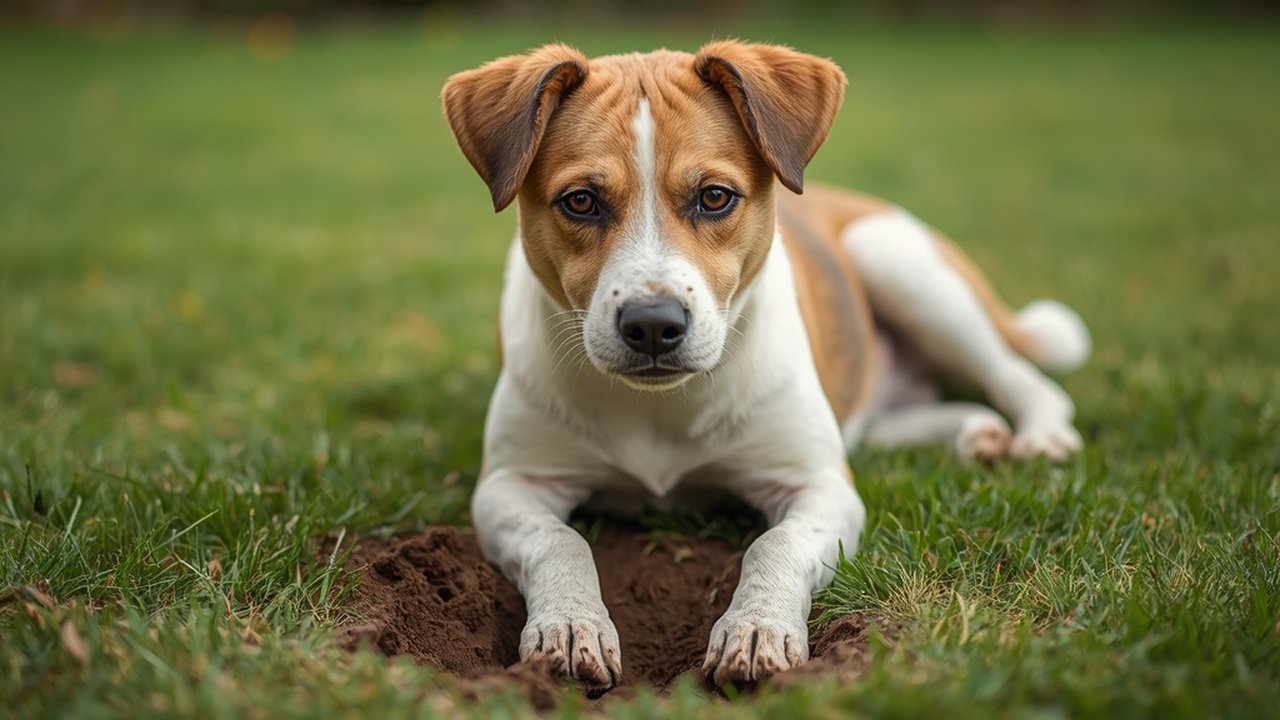
Why Does My Dog Dig Holes in the Yard? Complete Guide
Dog owners worldwide know the frustration: you step outside to find your once-pristine yard dotted with holes, dirt mounds, and exposed roots. If you're wondering why your dog digs holes, you're not alone. This common canine behavior is rooted in instinct, but understanding the underlying causes is the first step toward managing it effectively. In this guide, we'll explore the reasons dogs dig, practical strategies to discourage unwanted digging, and when professional help might be necessary.
Why Dogs Dig: Understanding the Root Causes
Dog digging holes isn't random misbehavior—it's driven by legitimate instincts and environmental factors. Understanding why dogs dig is essential before you can address the problem.
Prey Drive and Hunting Instinct
Many dog breeds, particularly terriers, were originally bred to hunt small animals like rats, rabbits, and foxes. These breeds have an ingrained prey drive that compels them to dig. Even modern family dogs retain this ancestral instinct. When your dog detects a smell—a mouse, mole, or even an interesting scent in the soil—the digging behavior activates automatically.
Comfort and Denning Behavior
Dogs are descended from wolves, which dig dens for shelter and protection. Some dogs dig holes to create a cool, comfortable spot to rest, especially during hot weather. This behavior is completely natural. Other dogs dig to feel secure, similar to how wolves would create a den.
Boredom and Excess Energy
A under-stimulated dog will often channel excess energy into destructive behaviors like digging. Dogs need both physical exercise and mental stimulation. When these needs aren't met, your yard becomes an outlet for their pent-up energy.
Anxiety and Stress
Some dogs dig as a coping mechanism for anxiety, fear, or stress. Separation anxiety, thunderstorm phobia, or changes in the household can trigger escape-focused digging. If your dog only digs when you're away or during storms, anxiety may be the culprit.
Seeking Attention
If a dog has learned that digging gets a reaction from you—even a negative one—they may continue the behavior. Dogs don't always distinguish between positive and negative attention; what matters is that they're noticed.
Health and Environmental Factors
Sometimes dog digging holes indicates underlying health issues or environmental conditions worth investigating.
Fleas, parasites, and skin allergies can cause intense itching, leading dogs to dig at their skin and dig in dirt as a way to soothe discomfort. If your dog's digging is accompanied by excessive scratching, hair loss, or red patches, consult your veterinarian.
Heat is another common trigger. Dogs lack effective cooling systems and may dig to reach cooler soil beneath the surface. During summer months, provide adequate shade, fresh water, and air-conditioned spaces.
How to Stop Dog Digging: Practical Solutions
Addressing dog digging holes requires patience and a multi-faceted approach. Here are proven strategies:
Increase Physical Exercise
A tired dog is less likely to dig. Aim for at least 30-60 minutes of exercise daily, depending on your dog's age and breed. Walks, fetch, swimming, and running all help burn energy that might otherwise fuel digging behavior.
Provide Mental Stimulation
Enrich your dog's environment with puzzle toys, sniff games, and training sessions. Hide treats in the yard, rotate toys regularly, and teach new commands. Mental engagement is as important as physical activity.
Create a Designated Digging Area
Instead of preventing all digging, provide a sandbox or designated patch where digging is allowed. Bury toys and treats here to encourage use of this approved spot. Praise and reward your dog for digging in the right place.
Supervise Outdoor Time
Watch your dog in the yard and redirect digging behavior immediately. When you catch them digging inappropriately, interrupt calmly and redirect to an acceptable activity or location.
Remove Temptation
If burrowing animals live nearby, eliminate their presence through humane trapping or exclusion methods. This removes the primary motivation for prey-drive digging.
Manage Anxiety
For anxiety-driven digging, create a safe indoor space during triggers (storms, your absence). Consider calming supplements, anxiety wraps, or consultation with a veterinary behaviorist.
Ensure Proper Shade and Cooling
Provide multiple shaded areas, fresh water stations, and consider installing a kiddie pool or misting system during hot weather.
When to Seek Professional Help
If digging persists despite your efforts, professional guidance can make a difference. A certified dog trainer or veterinary behaviorist can assess your dog's specific situation and develop a customized plan. They can rule out medical causes and identify whether anxiety, boredom, or other factors are driving the behavior.
Some dogs also benefit from medication if anxiety is the underlying cause. Your veterinarian can evaluate whether this option is appropriate for your dog.
Conclusion
Dog digging holes is a natural behavior with roots in instinct, environment, and individual personality. Rather than viewing it as pure misbehavior, understanding the motivation behind your dog's digging allows you to address the real issue. Whether your dog is seeking prey, trying to cool off, or burning excess energy, solutions exist.
Start by increasing exercise and mental stimulation, provide appropriate outlets for digging, and supervise outdoor time. Be patient—changing ingrained behaviors takes consistency and time. Most importantly, remember that your dog isn't digging to frustrate you; they're responding to legitimate drives and needs. With the right approach, you can enjoy a beautiful yard and a happy, fulfilled dog.
FAQ
Is dog digging holes a sign of a health problem?
Sometimes. While digging is often behavioral, excessive digging accompanied by scratching, hair loss, or red skin may indicate fleas, parasites, or allergies. If you suspect a health issue, consult your veterinarian. Otherwise, digging is typically instinctual or environmental.
Why do dogs dig holes more in summer?
Dogs dig more in hot weather to reach cooler soil and create a comfortable resting spot. This natural cooling behavior intensifies during summer months. Providing shade, water, and air-conditioned rest areas can reduce heat-driven digging.
Can I completely stop my dog from digging?
Complete elimination may be unrealistic for some breeds with strong prey drive or denning instincts. Instead, focus on redirecting digging to appropriate areas, increasing exercise, and addressing underlying causes. A designated digging zone often works better than total prevention.
How long does it take to stop dog digging behavior?
Timeline varies depending on the cause and your dog’s age. Consistency is key—behavioral changes typically take 2-6 weeks of sustained effort. Puppies and younger dogs may respond faster than older dogs with established habits.