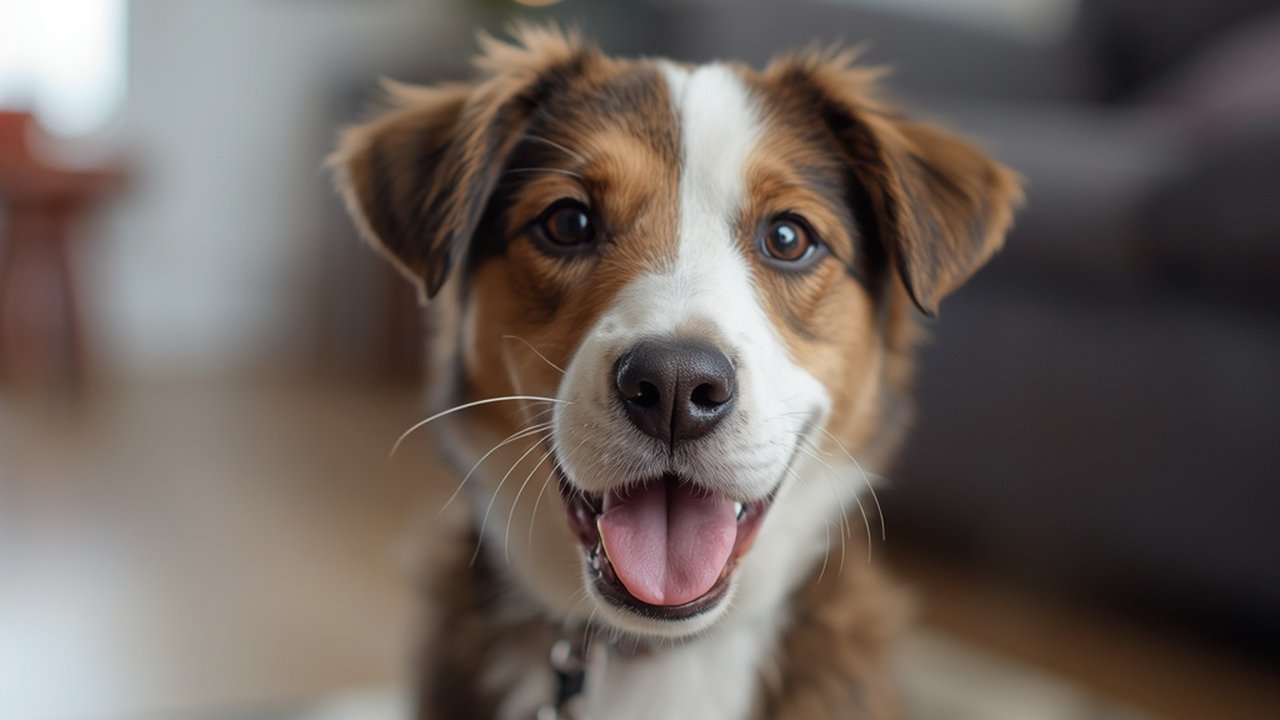
How to Puppy-Proof Your Home Room by Room
Bringing a new puppy home is exciting—but it also means your living space just became a playground for a curious, energetic creature with teeth and no sense of danger. Puppy proofing your house is one of the most important steps you can take as a new dog owner. Unlike human babies, puppies explore the world with their mouths, chew almost anything, and are quick enough to get into trouble before you can blink. A thorough puppy proof home strategy protects both your puppy and your belongings, while also giving you peace of mind.
This guide walks you through puppy-proofing your home room by room. We'll cover the specific hazards in each space, practical solutions, and a comprehensive puppy safety checklist you can reference as you prepare. Whether you're getting your first puppy or your fifth, these strategies will help you create a safe, puppy-ready environment.
Living Room and Family Spaces
Your living room is where your puppy will spend much of their time, so it's critical to make it safe and puppy-proof. Start by identifying electrical hazards. Puppies are drawn to electrical cords, and chewing on them can cause serious injury or electrocution. Use cord covers or PVC tubing to bundle cords together and run them behind furniture when possible. Consider purchasing cord protectors that have a bitter taste—these discourage chewing while keeping wires intact.
Next, secure or remove anything breakable. Coffee tables often hold remotes, phones, glasses, and decorative items—all potential hazards. Move these items to higher shelves or cabinets. Puppies can accidentally knock things over while playing, so heavy decorative items should be moved temporarily until your puppy is older and calmer.
Check your furniture for stability. A climbing or jumping puppy can topple an unsecured bookshelf or side table. Use wall anchors to secure tall furniture, and remove or secure any low tables your puppy might use as a chew toy. Store houseplants out of reach—many common indoor plants like philodendrons, sago palms, and lilies are toxic to dogs.
Lastly, establish a designated puppy zone using baby gates or playpens. This gives your puppy a safe space where you can leave them unsupervised for short periods, knowing they're protected from hazards in other rooms.
Kitchen and Dining Areas
The kitchen presents some of the most serious hazards for puppies, so this room demands special attention in your puppy safety checklist. Food, chemicals, and sharp objects are all concentrated here.
Food hazards are the priority. Keep all human food out of reach, especially toxic items like chocolate, grapes, raisins, onions, garlic, avocado, macadamia nuts, and xylitol (an artificial sweetener). Store these items in high cabinets, not in low drawers a puppy might access. Use childproof locks on lower cabinets if your puppy is particularly determined.
Cleaning supplies and chemicals must be secured. Dish soap, laundry detergent, floor cleaners, and other household chemicals are poisonous if ingested. Store these exclusively in high cabinets or a locked closet. Never leave these items on counters or under the sink where a curious puppy can access them.
Sharp objects like knives, broken glass, and aluminum foil should be kept in secure drawers. A puppy's paws and mouth are vulnerable to cuts. Keep the trash in a locked container or stored in a cabinet—puppies love scavenging through garbage, which is both a choking hazard and a source of toxic substances.
Keep the garbage disposal area clean, secure any dangling dish towels that a puppy might pull down, and make sure your puppy can't access the oven, stove, or any hot surfaces. Use baby gates to restrict kitchen access during meal preparation times when you're busy and cannot supervise.
Bedrooms and Bathrooms
Bedrooms and bathrooms contain surprisingly hazardous items that most people don't associate with puppy dangers.
In bathrooms, medications are the top concern. A curious puppy can knock over pill bottles or chew through packaging. Store all medications, vitamins, and supplements in a high cabinet or locked medicine cabinet. The same goes for skincare products, shampoos, and deodorants—many contain harmful chemicals. Keep the toilet lid closed using a locking device; puppies have been known to drink from toilets and can become ill from bacteria and chemicals like toilet bowl cleaners.
Floss, cotton swabs, and hair are also hazards. Puppies can swallow these items, which may cause intestinal blockages requiring emergency surgery. Use trash cans with secure lids, and keep grooming supplies in closed drawers.
In bedrooms, secure loose bedding that a puppy might shred and ingest. Remove socks, underwear, and other small items from the floor—puppies eat these constantly. Keep electrical cords from lamps and chargers out of reach using covers or by rearranging furniture. Remove plastic bags, which pose a suffocation risk, and keep closet doors closed if they contain hazardous items.
Garage and Outdoor Areas
The garage and yard present unique dangers that many first-time puppy owners overlook.
Garages are toxic treasure troves for puppies. Antifreeze is extremely poisonous—just a small amount can cause serious illness. Store it in a locked cabinet, and clean up any spills immediately. The same applies to motor oil, gasoline, pesticides, and fertilizers. Keep these items out of reach and in proper, sealed containers.
Secure or remove tools, hardware, and sharp objects. Puppies can swallow small items like screws or nails, causing blockages. Paint cans, solvents, and wood sealers are also toxic—keep these on high shelves or locked cabinets.
For outdoor areas, start by checking your fence for gaps or holes a puppy could escape through. Walk the perimeter and repair any damage. Remove toxic plants from your yard—many common plants are poisonous to dogs, including sago palms, foxglove, and oleander.
Secure any ponds, pools, or water features—puppies can drown. Keep garden tools, fertilizers, and pesticides locked in a shed. Remove any sticks, rocks, or foreign objects from the yard that a puppy might swallow. Ensure your puppy has access to fresh water and shade, and supervise outdoor time closely. A puppy left alone in a yard can escape, eat something toxic, or overheat quickly.
Creating Your Puppy Safety Checklist
The best way to puppy-proof your home systematically is to create a checklist. Start by walking through each room and photographing potential hazards. Use your photos as a reference while you work through solutions. Your puppy safety checklist should include:
- Securing or covering electrical cords
- Moving toxic plants and foods out of reach
- Storing chemicals, medications, and cleaning supplies in locked cabinets
- Securing loose furniture and removing breakables
- Installing baby gates to restrict access to dangerous areas
- Checking outdoor spaces for gaps in fencing and toxic plants
- Removing small objects that could cause choking
- Setting up a designated puppy zone with toys and a safe space
- Establishing rules for household members about leaving items on floors
Remember that puppy proofing is an ongoing process. As your puppy grows, some hazards become less relevant while others emerge. Supervise your puppy closely during the first few months, and adjust your setup as you learn what your individual puppy is attracted to.
By taking the time to thoroughly puppy-proof your home, you're investing in your puppy's safety and your own peace of mind. A well-prepared home allows your puppy to explore and play safely while protecting your belongings from destructive behavior. Start today, room by room, and enjoy the early months with your new companion knowing you've done everything possible to keep them safe.
FAQ
What are the most dangerous items to puppy-proof in a home?
The most dangerous items include toxic foods (chocolate, grapes, xylitol), medications, cleaning chemicals, antifreeze, electrical cords, and small objects that cause choking. Prioritize securing these in high cabinets or locked drawers first.
How do I know if a plant is toxic to puppies?
Common toxic plants include lilies, sago palms, philodendrons, oleander, and foxglove. Contact the ASPCA Animal Poison Control Center or check their website for a complete list. When in doubt, move plants to a secure location away from your puppy.
Can I use baby gates to puppy-proof my home?
Yes, baby gates are an excellent tool for puppy proofing. They help restrict access to dangerous areas like kitchens and bathrooms, and can create a safe designated puppy zone. Choose gates tall and sturdy enough that your puppy cannot jump or push them open.
How often should I check if my home is still puppy-proofed?
Perform a thorough safety check weekly during the first few months, and monthly after that. Puppies are clever and resourceful, so hazards can emerge or reappear. As your puppy grows, some precautions can be gradually removed based on their behavior and maturity.
What should I include in a puppy safe space or playpen?
A puppy safe space should include comfortable bedding, age-appropriate toys, a water bowl, and pads for accidents. Keep the area away from hazards, ensure good ventilation, and make it a positive place where your puppy feels secure when you cannot supervise them directly.